
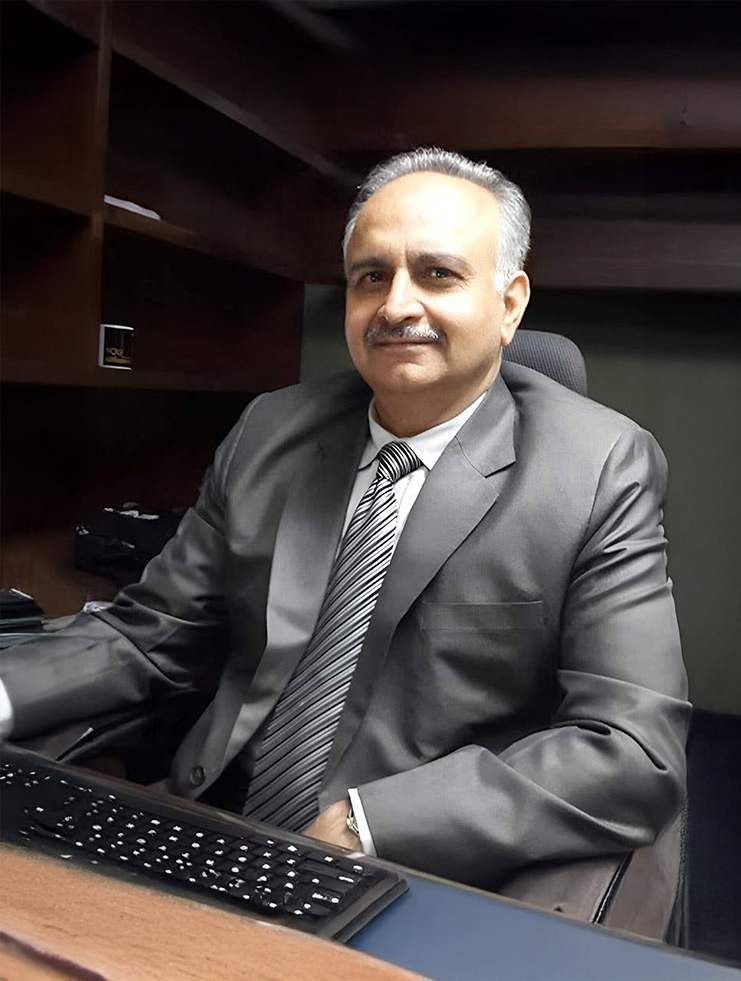
Dr. Vinay Verma
Clinic in Panchkula, Panchkula

Panchkula - 134109
Book an appoinment
Fill out the form below, and we'll arrange a consultation at a time most suitable for you.
- Cholesterol testing
- Computerised ECG
- Consultation &Treatment
- Continuous glucose monitoring
- Diet & nutrition counselling
- Health screenings (diabetes
- hypertension
- thyroid)
- Pulmonary function test
- Telemedicine & online consultation
- Vaccinations & immunisations
- Cholesterol testing
- Computerised ECG
- Consultation &Treatment
- Continuous glucose monitoring
- Diet & nutrition counselling
- Health screenings (diabetes
- hypertension
- thyroid)
- Pulmonary function test
- Telemedicine & online consultation
- Vaccinations & immunisations
About Dr. Vinay Verma in Panchkula
Dr. Vinay Verma, M.D., a seasoned Internal Medicine specialist with over 35 years of experience, provides expert care for heart conditions, high blood pressure, diabetes, thyroid issues & all types of fevers. Former Director & HOD of Medicine in leading hospitals, Dr. Verma has been recognized with the National Health Award for "Excellence in Diagnostic Acumen and Patient Care." His clinic is accredited by NABH, ensuring high standards of patient safety and quality care. His clinic offers comprehensive services like consultations, ECG, nebulization, sample collection for lab test and adult vaccinations. Advanced EMR facilities give patients easy access to their medical history. Experience compassionate, personalized care with Dr. Verma.
Location of Dr. Vinay Verma in Panchkula
Dr. Vinay Verma
opposite Jpa Toddlers School, Sector 10, kothi no.18
Panchkula - 134109
About Doctor
Dr. Vinay Verma
Meet Dr. Vinay Verma, a highly experienced Internal Medicine specialist with over 35 years of practice. He holds an MBBS and MD in Internal Medicine from LLRM Medical College, Meerut, and an MBA in Hospital Management from IIPM, Lucknow. Dr. Verma is dedicated to providing comprehensive care for diabetes, blood pressure, and all types of fever. Trust in Dr. Vinay Verma for personalized and expert treatment at his hospital, where your health is his top priority.
Read moreUseful Documents by Dr. Vinay Verma

Frequently Asked Questions
Fasting blood sugar should be 100 mg/dL or less. After 2 hours after eating, it should be below 140 mg/dL.
A fasting blood sugar level between100–125 mg/dL or HbA1C between 5.7% & 6.5% indicates Pre-Diabetes.
If on insulin, check multiple times daily. If using oral medication or lifestyle changes, check once a day or a few times a week as advised by your doctor.
Lifestyle modification including diet control is more important in treatment of Diabetes. Only when it does not produce desired results, medications are added. Always ask your doctor for a customised diet plan & try to follow the same.
Eat high-fiber foods, whole grains, lean proteins, vegetables, and healthy fats. Avoid refined carbs, sugary drinks, processed foods, and excessive salt.
For low blood sugar (hypoglycemia): Consume 15g of fast-acting carbs (juice/glucose tablets), wait 15 minutes, and recheck. Repeat if still low. For high blood sugar (hyperglycemia): Stay hydrated, take prescribed medication, stay active, and monitor symptoms. Seek medical help if levels remain high.
If oral medication isn’t effective, your doctor may recommend insulin or other treatments. Consult a healthcare provider for the best plan.
Diabetics with uncontrolled blood sugars have a high chance of getting a heart attack or stroke (paralysis). In addition, they may develop renal failure or neuropathy (nerve damage). 20% diabetics develop kidney failure or lose their eyesight because of high blood sugars.
Chest pain, shortness of breath, fatigue, dizziness, irregular heartbeat, or pain in the neck, jaw, back, or arms. Some patients may have no symptoms until they get a heart attack. It’s always better to get it checked with a doctor.
Eat a healthy diet, exercise regularly, maintain a healthy weight, manage stress, avoid smoking, and control conditions like high blood pressure, cholesterol, and diabetes.
Common tests include ECG, echocardiogram, stress test, and blood tests. Advanced imaging like CT scans or angiography may be needed.
If healthy, get a check-up every few years. If at risk (high BP, cholesterol, diabetes, family history), check more frequently as advised by your doctor.
Seek immediate medical help if pain is severe, lasts over a few minutes, or is accompanied by shortness of breath, nausea, dizziness, or pain spreading to arms or jaw.

